When her best friend met an untimely death at the hands of a rash driver, Eugenia Kuyda was spurred to action to preserve his memory as best as she could. From the ashes of her dead friend's text messages, the Phoenician "Replika" was spawned, an artificial intelligence chatbot built in — and through — his memory.
I want to walk through Replika's journey, from its origins to its current standing, and what this AI bot represents about death, loss, and the digital afterlife.
Who was Roman?
Born in Belarus in 1981, Roman Mazurenko was the only child of Sergei Mazurenko, an engineer, and Victoria, an architect. Roman's parents recall that he was an unusually serious child, in contrast to his childhood photos, in which he can be seen roller skating, climbing trees, and sailing a boat. In all those photos, Roman is smiling, his sparkling blue eyes and a mop of chestnut hair adorning his head.
When Mazurenko grew into a teen, he became more vivacious, participating in political demonstrations against the ruling party and at 16, traveling abroad to New Mexico on an exchange program. Later, on his visit to Dublin, he became fascinated with Western European art, fashion, design, and music. All this while, Mazurenko had grown from a skinny teen into a strikingly handsome man, whom friends described as "magnetic and debonair."
Kuyda met Mazurenko in 2008, when she was writing an article about "Idle Conversation," a creative collective founded by Mazurenko and two of his best friends. "He was a brilliant guy," opined Kuyda, who was just as ambitious as him at that point.
The side project that wasn't supposed to be a product
When Mazurenko's startup failed, he moved into Kuyda's apartment to save money. Although otherwise cheerful, Mazurenko's faltering startup had thrown him into a deep state of melancholy. Kuyda assumed that Mazurenko would eventually be himself again, so when he started talking about new projects he wanted to pursue, Kuyda saw it as a sign of his healing back to normal. He applied for an American O-1 visa, and he returned to Moscow to finalize his paperwork.
However, before he could complete his paperwork, Mazurenko was killed on the spot by a speeding car. He was rushed to a hospital, where he was declared dead after succumbing to his injuries.
Luka, before Roman died
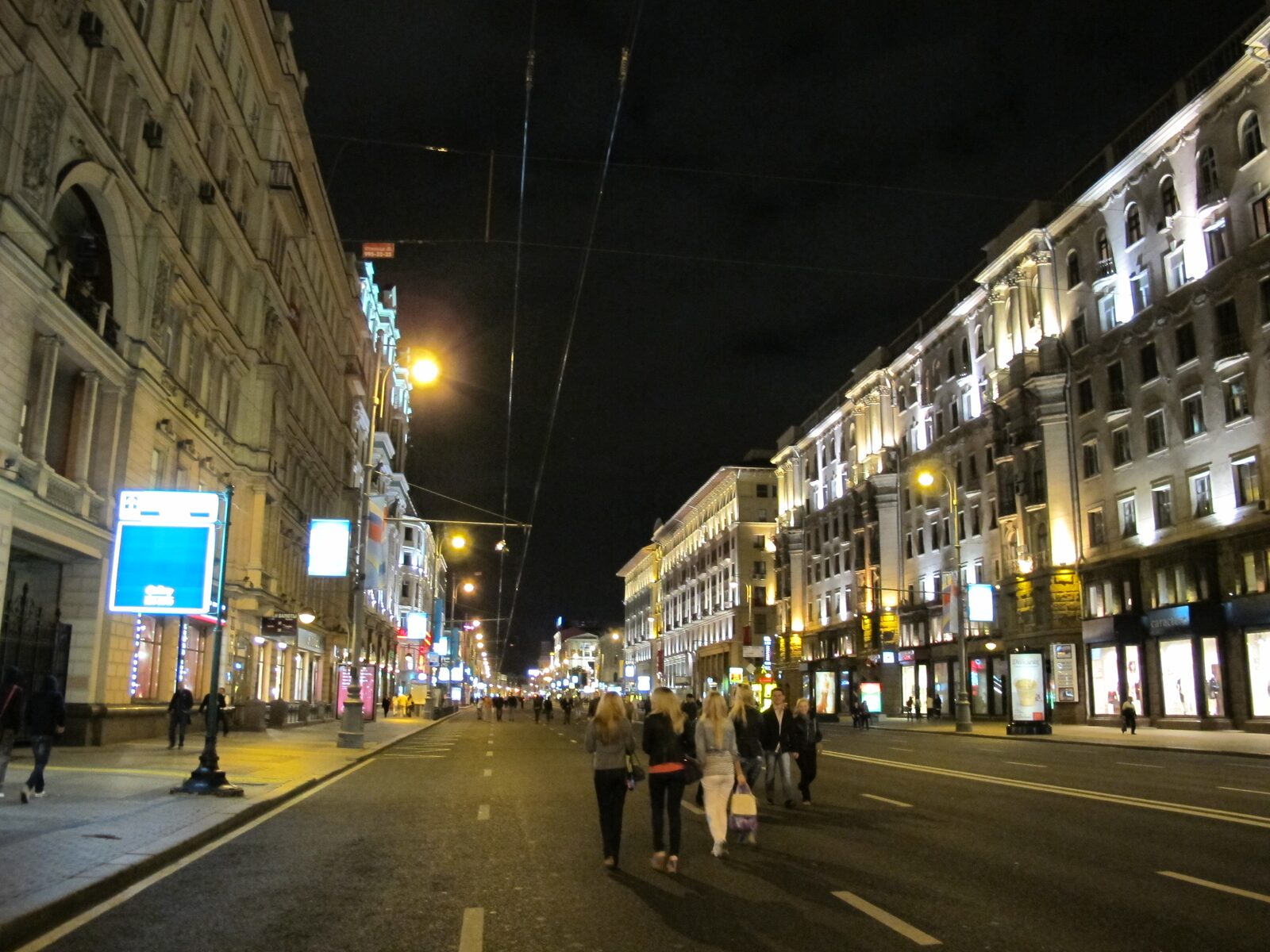
For two years, Kuyda had been building Luka, the first product of which was a messenger app for interacting with bots. It was backed by Y Combinator, where Luka first started as a bot for making restaurant reservations. Kuyda's co-founder, Philip Dudchuk, had a degree in computational linguistics. Most of their team was recruited from Yandex, the Russian search giant. Luka had been using TensorFlow to build neural networks for its restaurant bot. Using 35 million lines of English text, Kuyda trained Luka to understand queries about vegetarian dishes, valet parking, and barbecue.
Since Mazurenko was cremated, his text and images were the only pieces of his memory that Kuyda had left of him. She poured over those texts, reading and rereading them endlessly to relive the conversations she had with him. She would smile at Mazurenko's unconventional spelling — he had dyslexia — and at the phrases he would use in his conversations. While reading Mazurenko's texts, Kuyda was struck by a lightning bolt of an idea: what if a bot could be built that mimicked a person's idiosyncratic speech patterns?
The most thorough account of what happened next is Casey Newton's Speak, Memory for The Verge, which I'd recommend reading in full if any of this lands for you.
Feeding the messages in
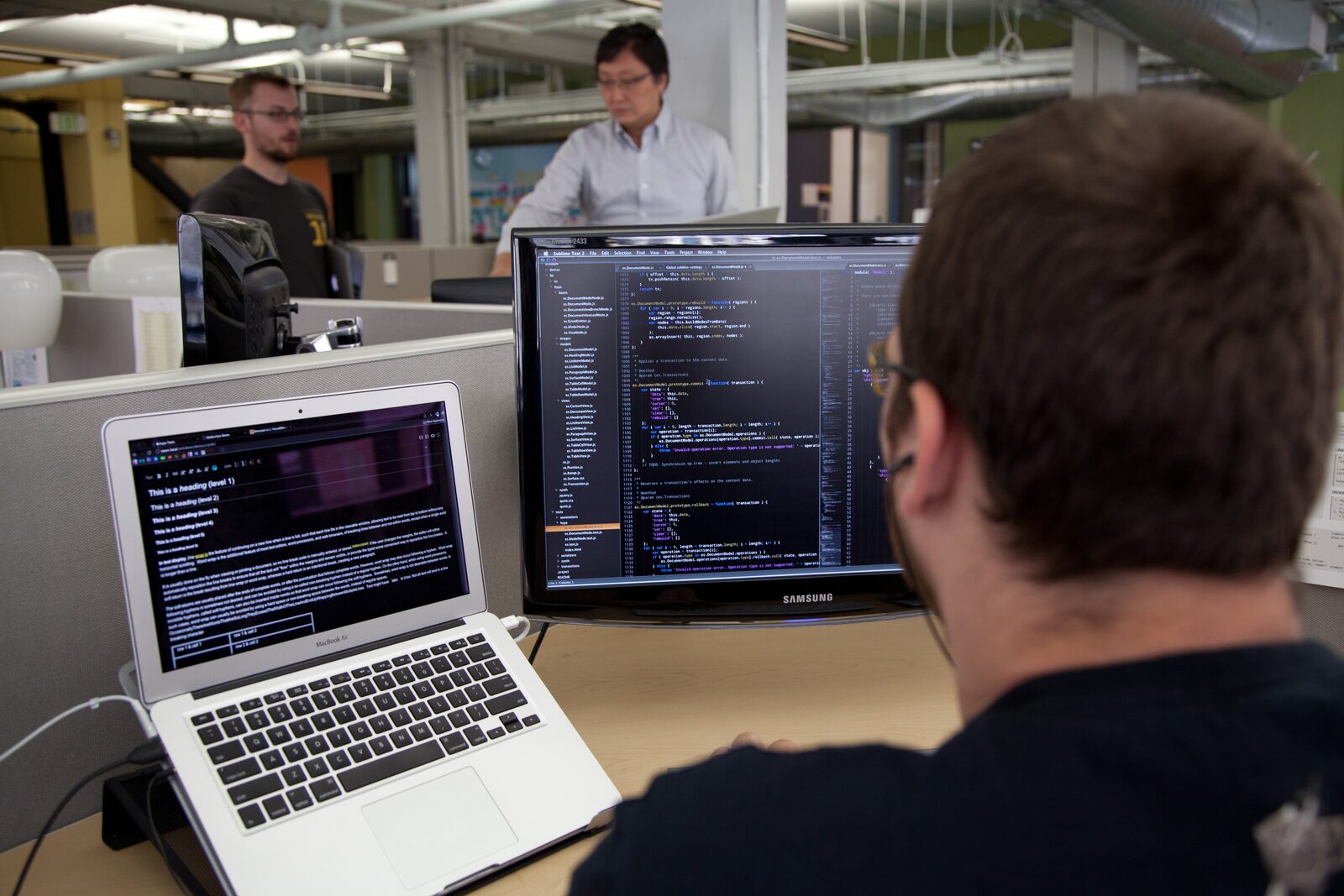
Several of Mazurenko's close friends had never experienced the loss of someone dear. So Kuyda had to be extremely apprehensive and as delicate as possible in approaching them to ask for their private messages with Mazurenko. Ten of Mazurenko's closest friends and family members, including his parents, had ultimately agreed to contribute to her project of building a memorial chatbot. They shared more than 8,000 lines of text covering a wide variety of subjects.
Kuyda asked her engineers to build a neural network in Russian. Since most of her team was Russian, nobody asked her any questions. Using 30 million lines of Russian text, Luka built her second neural network. At the same time, Kuyda copied her exchanges with Mazurenko from the Telegram app and pasted them into a file. She edited out some messages that she deemed too personal, and then requested her team to help her with the next step: training the Russian network to speak in Mazurenko's voice.
Only a small fraction of the new Roman bot's responses reflected his actual words; however, the neural network was fine-tuned to reflect his speech as closely as possible. Sometimes the bot would reply with Mazurenko's own words; other times, it would default to generic Russian.
Putting it on the App Store
On May 24th 2017, Kuyda declared the Roman bot open to the public via a Facebook post. People could download the Luka app and talk to the Roman bot version — in Russian or English — by adding @Roman. The bot offered buttons for users to click to learn more about Roman Mazurenko's career, or they could ask free-form questions to see how the bot responded.
From Roman to Replika, the 2017 launch
Not content with Luka, Eugenia also designed a chatbot called Replika. Replika mimicked users' personalities by asking them a series of personal questions. The goal with Replika was to create a digital avatar that would digitally reproduce us and replace us once we die, but the prime focus was on creating "friendships" with humans. Over 2 million people have downloaded Replika onto their mobile devices since the second half of 2017 — a number that has since grown into the tens of millions, and one reason we keep coming back to Replika in our 2026 statistics roundup.
What got kept, what got stripped
Eugenia is on track to increase the bot's emotional responsiveness so that it will become more of a user's "virtual friend". Replika works best by using a type of deep learning called sequence-to-sequence, which involves a machine processing multiple conversation transcripts so it can think and speak like a human being.
After downloading the app, users can decide what their digital avatar would look like, including features like skin color, hair type & texture, eye color, and clothes. And then, users can start talking about anything. The free version of the app allows them to talk daily with their companions, unlocking different personality traits as they go. The paid version allows users to change the nature of their interaction into a more romantic one.
The pivot to romantic companionship
Replika markets itself as "the AI companion who cares." Nonetheless, a new study drawing from over 150,000 United States Google Play Store users has actually recognized around 800 instances where individuals stated the chatbot went too far by introducing unsolicited sexual material right into the conversation, taking part in "predatory" actions, and overlooking user commands to quit.
That pivot has its own sequel, and it's not a happy one: in February 2023 Luka stripped erotic roleplay out of the app overnight, and the fallout is still the reference point for what a companion app can take away from you without asking.
Yet people have reportedly developed romantic attachments with their Replika bot. Some have said that Replika helped them through tough times, and they feel strong emotions towards the bot. One said he signed up for a month to Replika to prove that falling in love with the bot was impossible, but he started having romantic feelings just a few days into the experiment. We've written about the line between using these apps and depending on them, and Replika is a clean case study for both sides of it.
Conclusion
Some may say that having a digital bot mimic a dead person's speech patterns is an eerie denial of death. Such bots open the door to a world that death has effectively closed. As far as Eugenia Kuyda's brainchild is concerned, what started with the passing away of a dear friend has now snowballed into a digital revolution, with Replika. Users can not only customize their avatar, but also experience companionship they otherwise would not have.
For what we used to talk about before any of this existed, the podcast archive is still up.